Shuiyi Slufri® Series MBR Membrane Products
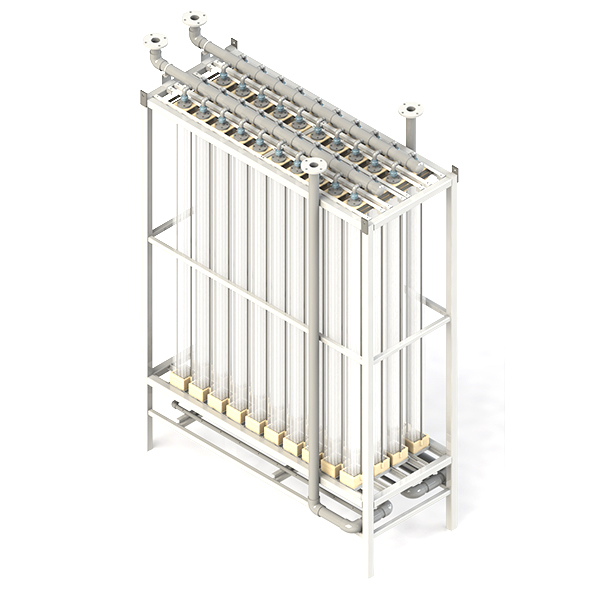
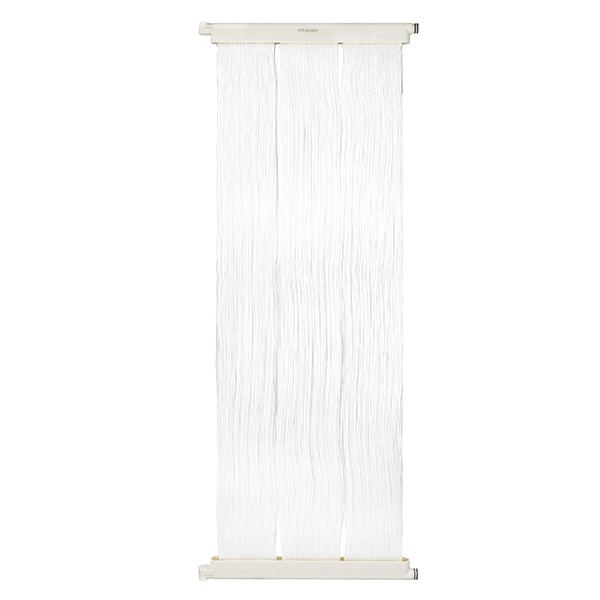
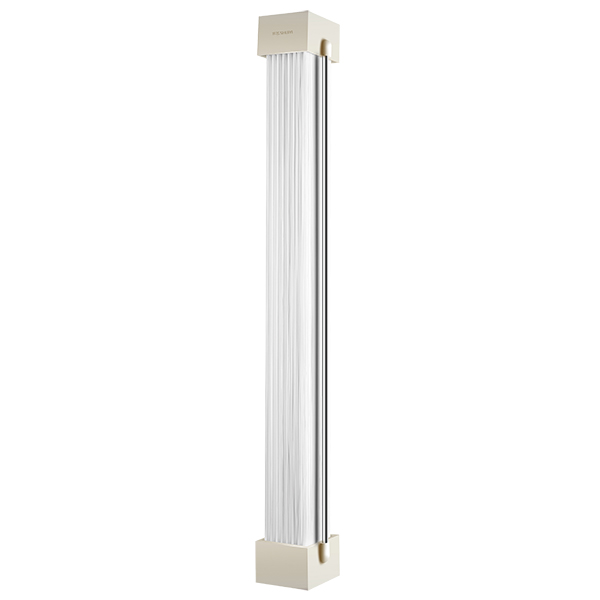
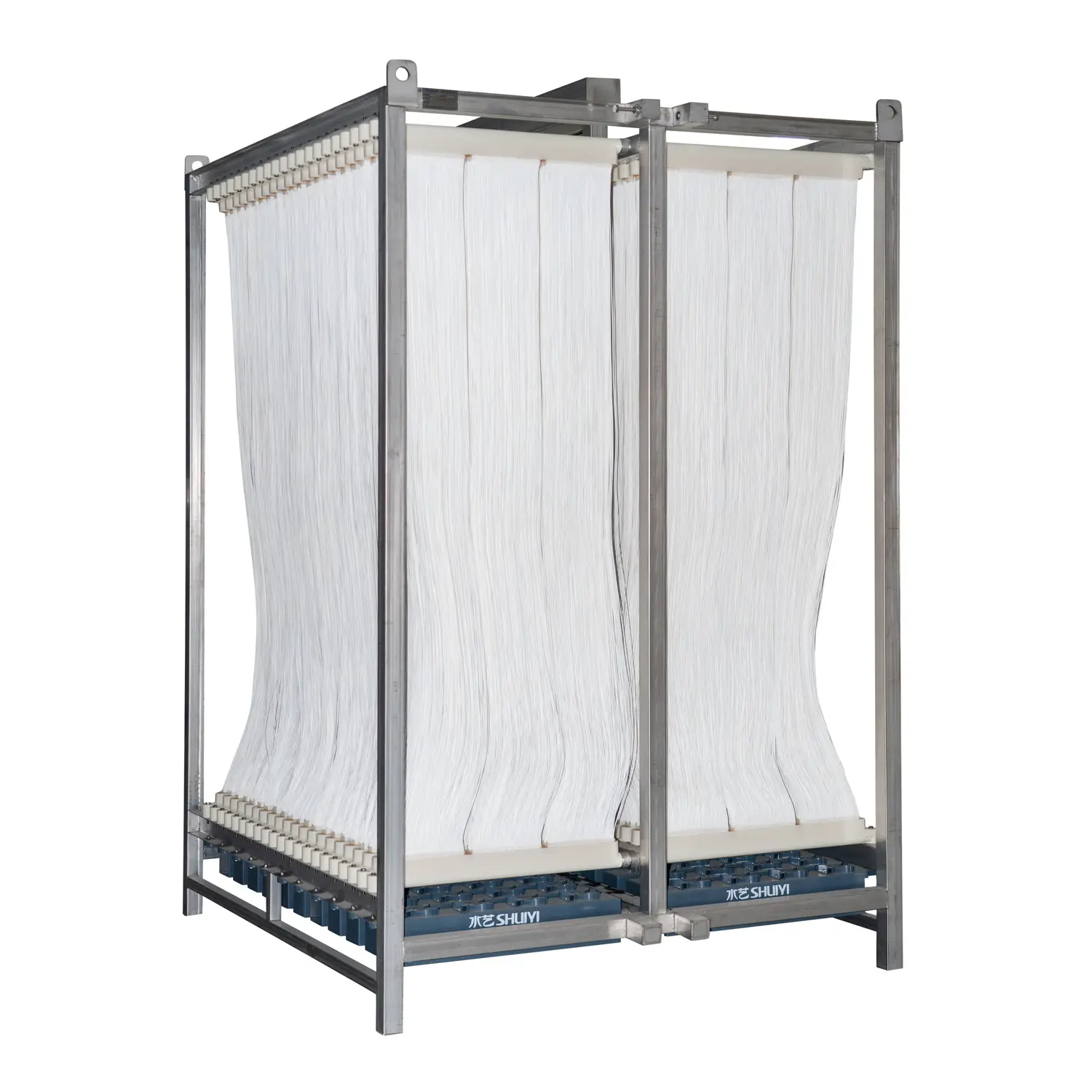
Shuiyi Slufri® SMU MBR membrane series utilizes and Shuiyi Slufri® SMR MBR membrane series a low-pressure, high-flux PVDF hollow-fiber composite membrane with hot-melt adhesive automated sheet placement. The membrane module integrates a pulse aeration system, delivering advantages such as high operational flux, stable permeate quality, strong anti-fouling capability, extended lifespan, and low energy consumption. Compared to conventional MBR membranes, it achieves an air-to-water ratio as low as 3:1, reducing energy consumption by over 40%.
SMU MBR membrane series is widely applicable in municipal and industrial wastewater treatment applications. SMR MBR membrane series is widely applicable in advanced wastewater treatment, reclaimed water reuse, and the treatment and reuse of various types of industrial wastewater.
Why choose shuiyi MBR membranes for water treatment?
The Shuiyi Slufri® series MBR membrane products offer a series of advantages including simple sewage treatment processes, small footprint, excellent shock load resistance, and stable water quality and quantity.
They not only achieve solid-liquid separation but also prevent the common problem of suspended solids leakage seen in traditional sedimentation separation processes, ensuring high-quality effluent.
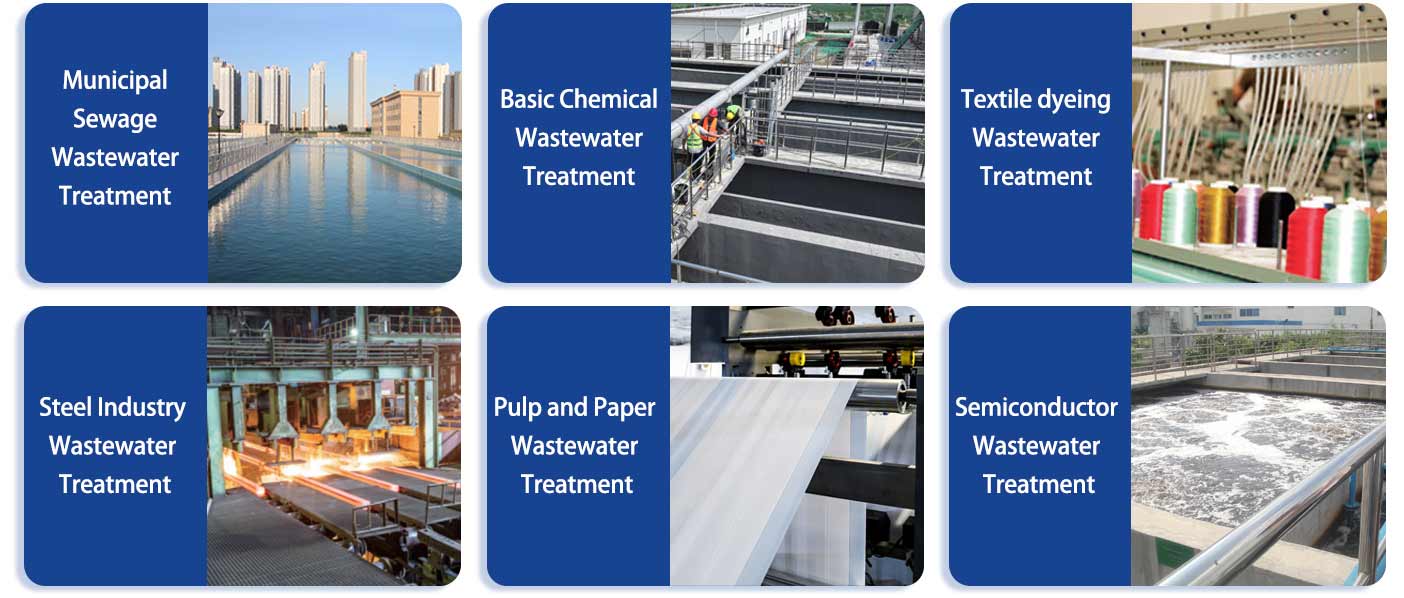
Widely used in various water treatment fields including municipal sewage, textile dyeing wastewater, basic chemical wastewater, mine water, steel wastewater, PCB electroplating wastewater, power water, and semiconductor water.
MBR Membrane Applications
MBR Membrane Applications


-1.jpg)
.jpg)
.jpg)