
Introduction
MBR membrane fouling is one of the key challenges affecting the long-term operation and maintenance of Membrane Bioreactor (MBR) systems. Although MBR technology combines biological treatment with membrane separation to achieve high-quality effluent, foulant accumulation on membrane surfaces and within membrane pores can gradually affect filtration performance.
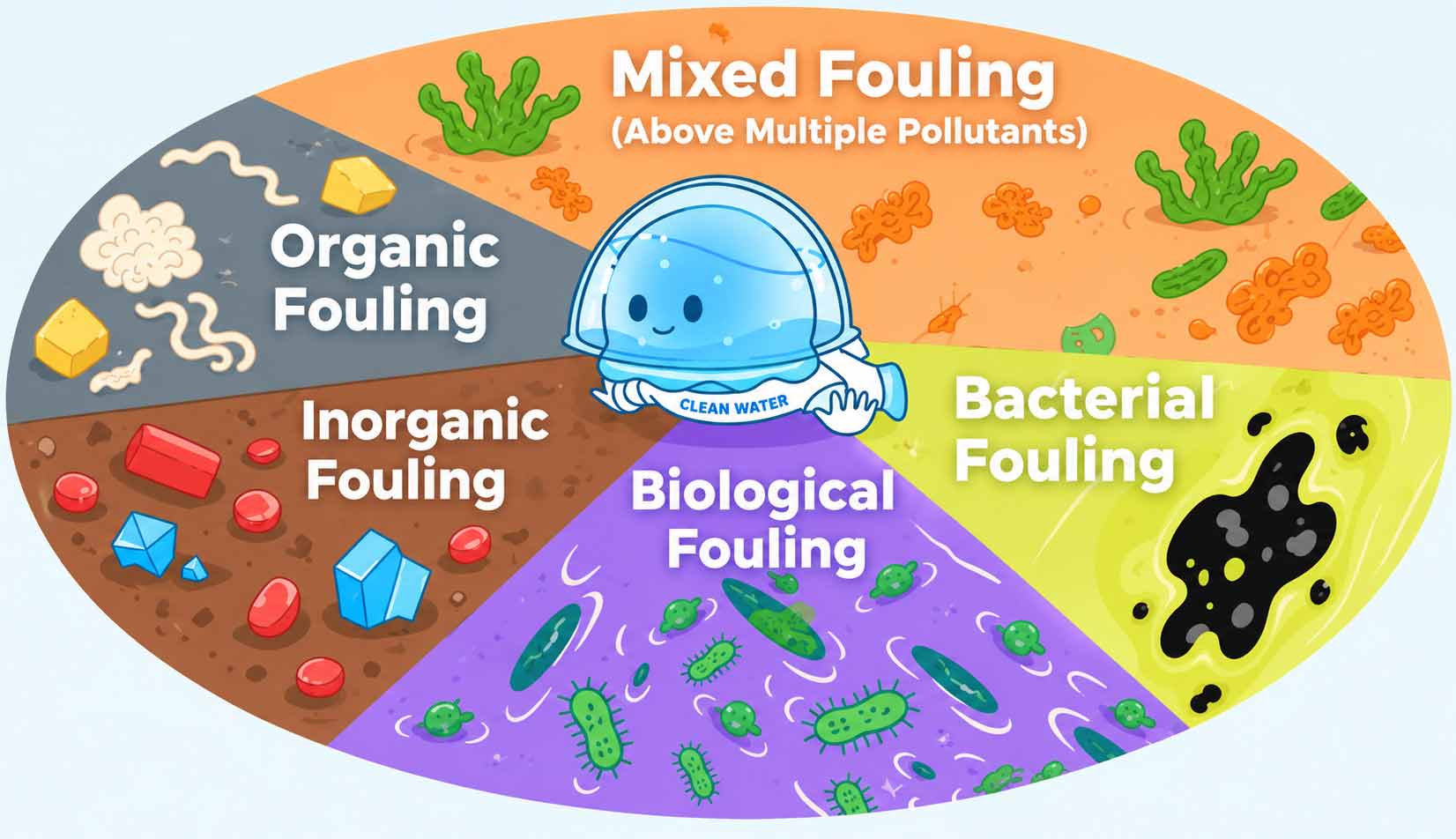
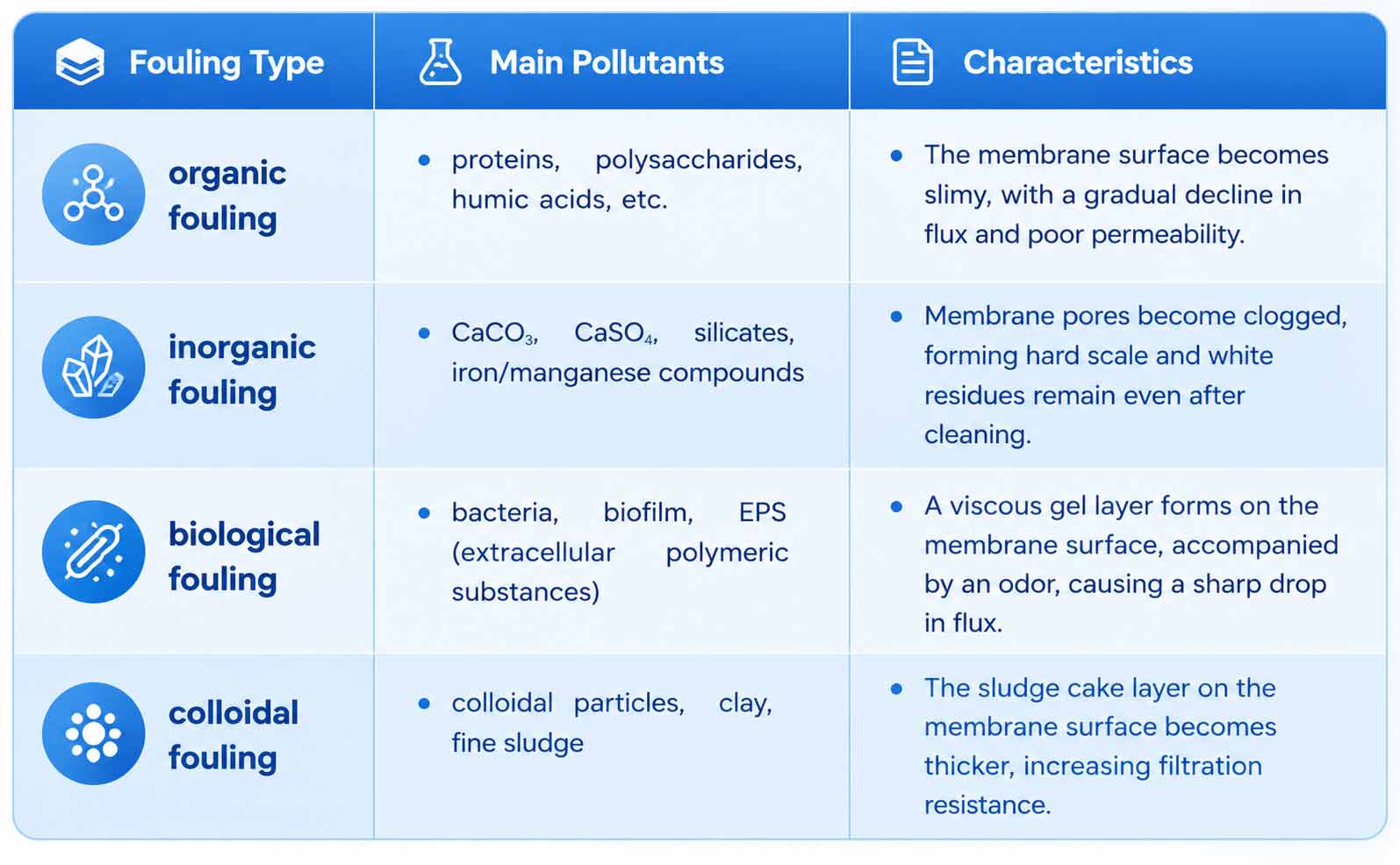
Organic matter, inorganic substances, microorganisms, and colloidal particles may accumulate on membrane surfaces under different operating conditions. In some cases, interactions between these substances can lead to more complex composite fouling.
Understanding the characteristics and causes of MBR membrane fouling is essential for selecting appropriate cleaning strategies and maintaining stable system operation. This article introduces the main characteristics of MBR membranes, common fouling types, their potential causes, and practical chemical cleaning solutions.
.jpg)
Part 1 :Characteristics of MBR Membranes
The Membrane Bioreactor (MBR) is a wastewater treatment system that organically integrates membrane separation technology with biological treatment processes. It offers several advantages, including:
- High effluent quality
- Low excess sludge production
- Strong resistance to shock loads
- Reduced civil construction investment
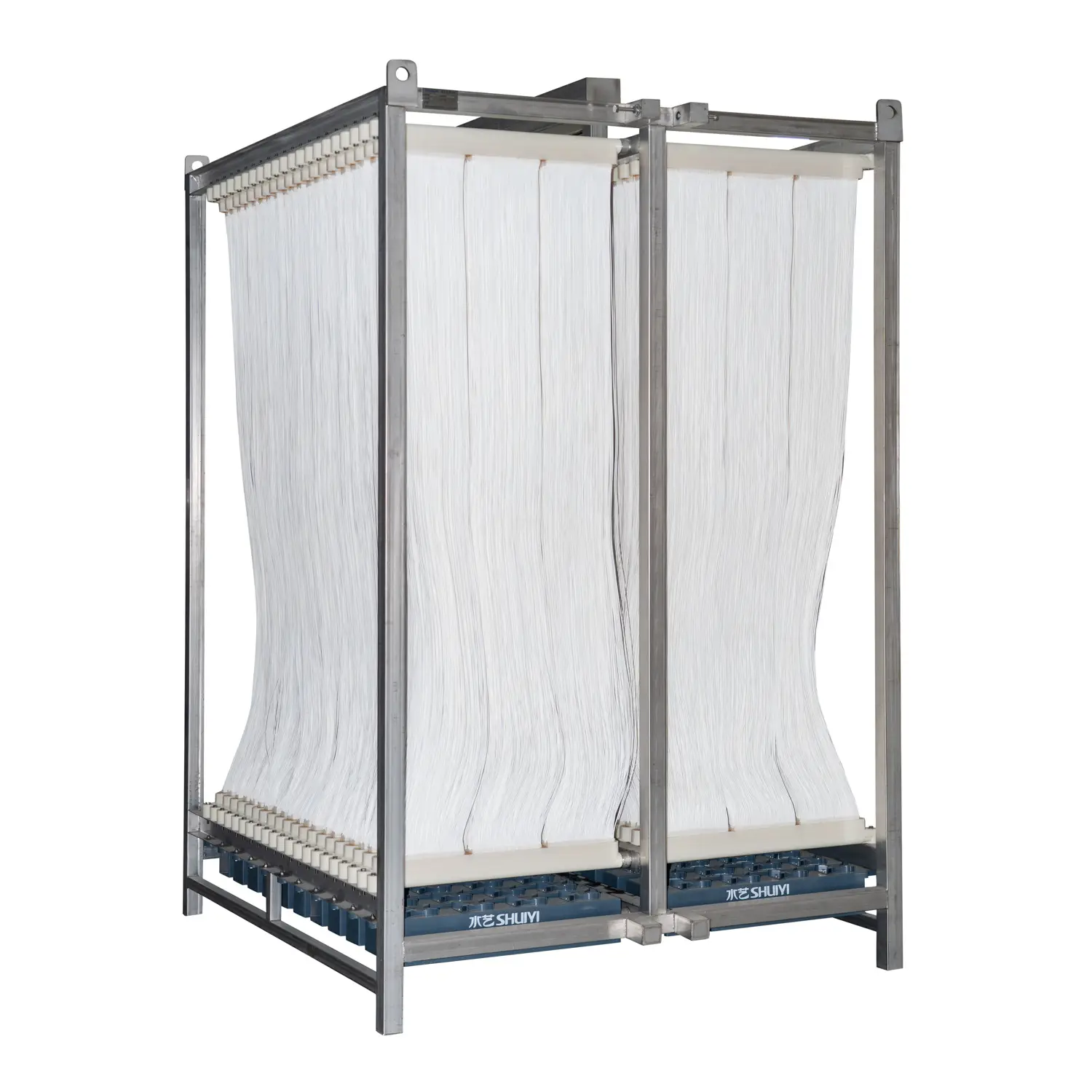
The core of the Shuiyi MBR system is its reinforced polyvinylidene fluoride (PVDF) hollow-fiber ultrafiltration membrane. It delivers high and stable permeate quality, effectively avoiding the suspended solids leakage commonly seen in conventional sedimentation processes. In addition, it can remove microorganisms such as Giardia, Cryptosporidium, and E. coli. The permeate produced by the membrane system can be directly reused as miscellaneous water or other similar reclaimed water application, either as-is or with a small amount of disinfectant added.
Part 2 :Common MBR Membrane Fouling Types and Characteristics
Part 3:Analysis of MBR Membrane Fouling Causes
1. Causes of Organic Fouling
Influent organics: High COD/BOD, oils and grease, and refractory organics (e.g., pharmaceutical or food-processing wastewater)
Sludge aging: Aged sludge leads to increased secretion of EPS (extracellular polymeric substances)
Insufficient aeration: Low aeration intensity or inadequate crossflow velocity on the membrane surface causes organics to accumulate easily.
2. Causes of Inorganic Fouling
High water hardness: Excessive Ca²⁺ or Mg²⁺ (e.g., groundwater or circulating water).
Chemical reagent residues: Overdosing of coagulants such as PAC or ferric salts.
Abnormal pH: pH > 8 promotes CaCO₃ scaling; pH > 6 favors precipitation of ferric salts.
High salinity: High-TDS wastewater can lead to supersaturated crystallization (e.g., RO concentrate reuse).
3. Causes of Biological Fouling
Microbial Proliferation: Excess nutrients (C/N/P imbalance) and suitable water temperature (25-25℃)
Insufficient Aeration: Leads to excessive biofilm growth on the membrane surface.
Dead Zone Formation: Design flaws in membrane module cause locally low flow velocity.
4 .Causes of Colloidal Fouling
Insufficient pretreatment: Failure of upstream microfiltration/ultrafiltration allows colloids to enter the MBR.Poor sludge settleability: Sludge bulking (SVI > 150) increases colloidal substances.
5 .Trigger Points for Composite Fouling
Interaction between foulants: For example, EPS absorbing Ca²⁺ to form an “organic-inorganic composite gel”.Incomplete cleaning: A single cleaning method cannot remove multilayer fouling.
Fouling Control Solutions
1.Maintenance Chemical Cleaning
For MBR systems, maintenance chemical cleaning is generally essential. It helps remove particles that cause membrane pore blockage and cannot be removed by backwashing, such as microorganisms growing on the membrane surface and precipitated minerals, thereby slowing down membrane fouling. Maintenance chemical cleaning consists of acid cleaning and oxidant cleaning. The cleaning frequency is determined according to the actual water quality conditions.
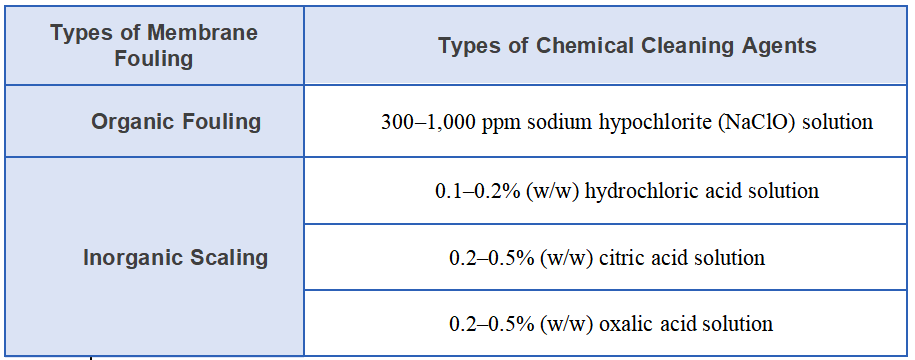
Notes:
(1) Online maintenance chemical cleaning can be automatically carried out by the control system. The cleaning intervals are generally determined based on the operating cycle (time), while the cleaning frequency depends on the water quality in the membrane tank.
(2) For conventional municipal wastewater treatment, online maintenance chemical cleaning generally involves sodium hypochlorite cleaning, while acid maintenance cleaning is performed less frequently.
(3) When continuous online maintenance cleaning with different chemical agents is required, the usual sequence is to perform sodium hypochlorite cleaning first, followed by acid cleaning.
2.Recovery Chemical Cleaning System
After the MBR system has been in operation for a certain period, the transmembrane pressure (TMP) will gradually increase as foulants accumulate on the membrane surface. When the TMP of the MBR system exceeds 35 kPa, recovery chemical cleaning is required.
Based on raw water quality and extensive engineering experience, recovery chemical cleaning is generally required once every 3–6 months of continuous operation.
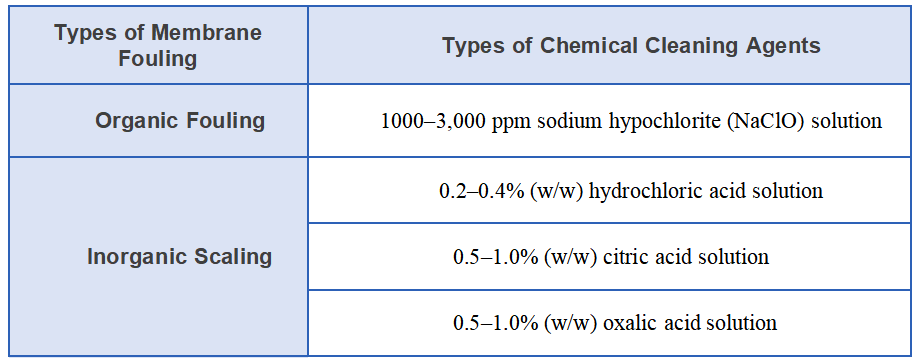
Notes:
(1) Recovery chemical cleaning is recommended when the transmembrane pressure (TMP) exceeds 35 kPa and is mandatory when the TMP exceeds 50 kPa.
(2) The interval between recovery chemical cleanings is generally 3–6 months, depending on the water quality in the membrane tank. The soaking time for each cleaning shall be no less than 4 hours.
(3) The cleaning sequence is generally sodium hypochlorite cleaning followed by acid cleaning. (For specific projects, a customized cleaning procedure shall be developed based on the actual fouling conditions.)